

A nude utopia on Cat Island
On a South Carolina island in the depths of the Depression, a group of nudists tried to build a new way of living.
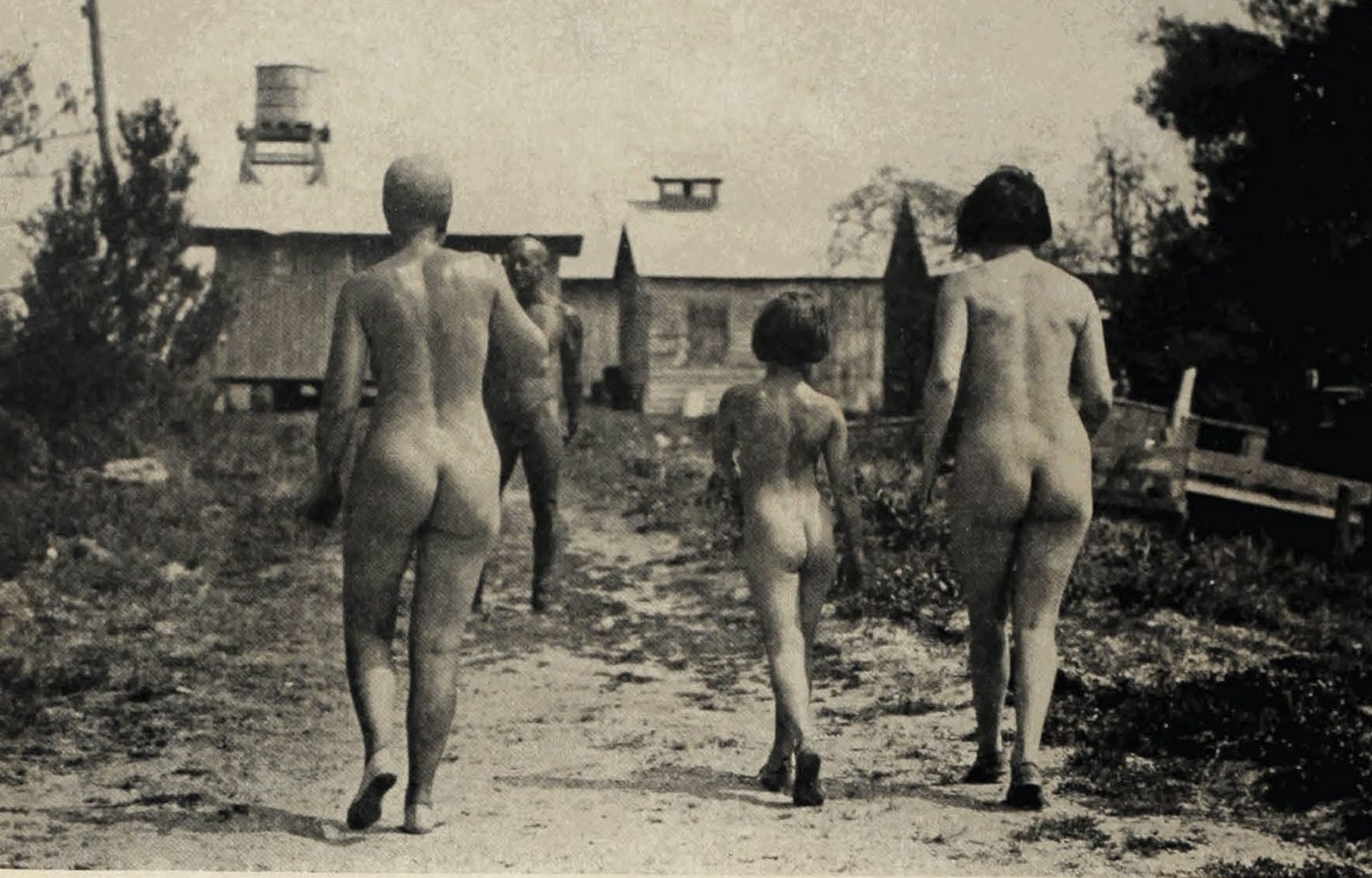
On page two of its April 1932 issue, The Nudist announced that an advance party of about five couples would soon leave New York for a 400-acre island off the coast of South Carolina. The location suited their ambitions: Utopia, the unsigned writer observed, literally meant an island. There they hoped to live “self-sustaining from the abundance of the soil and sea.” The article then made a curious promise: “Nudism will be an incidental feature.”
Cat Island lay near Beaufort and Port Royal, and the experiment established there became known as Sea Island Sanctuary. Naturist historian Lee Baxandall made a case for calling it America’s first nudist colony in a 1993 article for Nude & Natural. Drawing on Beaufort County records, Baxandall reported that Gertrude L. Parks purchased the property on April 23, 1932. The claim to priority remains unsettled. New Jersey’s Sky Farm emerged within weeks, and the answer changes according to whether the historian is counting a colony, club, camp, or owned park. Cat Island holds a distinctive place in nudist history because its organizers imagined bodily freedom as one part of a much larger social experiment.
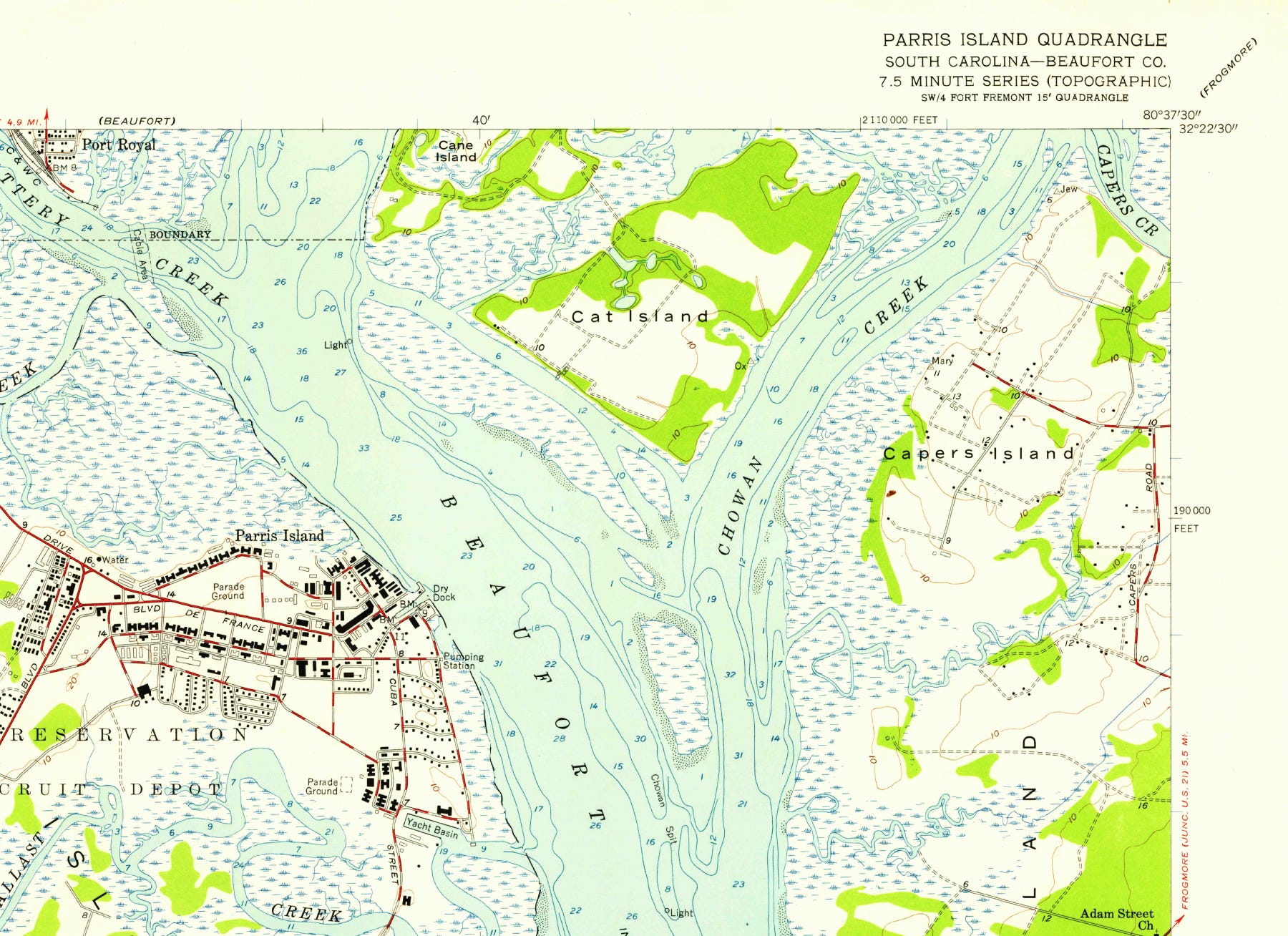
The Depression gave their plan both philosophical romance and economic urgency. The Nudist invoked Plato, Thomas More, and Thoreau alongside practical promises of fish, oysters, shrimp, year-round vegetables, shelter, and food for fifteen dollars a week.
In “Southern Discoveries Yield Interesting Nudist Notes,” published in The Nudist in February 1933, a visitor described 440 acres of fields and woods, rows of pines planted as windbreaks, and eight houses along the channel. His inventory included an overseer’s house, a packer’s house, barns, storehouses, and former slave quarters. The property carried the physical history of plantation agriculture into the new community. The magazine treated those remains as scenery and available infrastructure, leaving a profound contradiction in the sanctuary’s story.
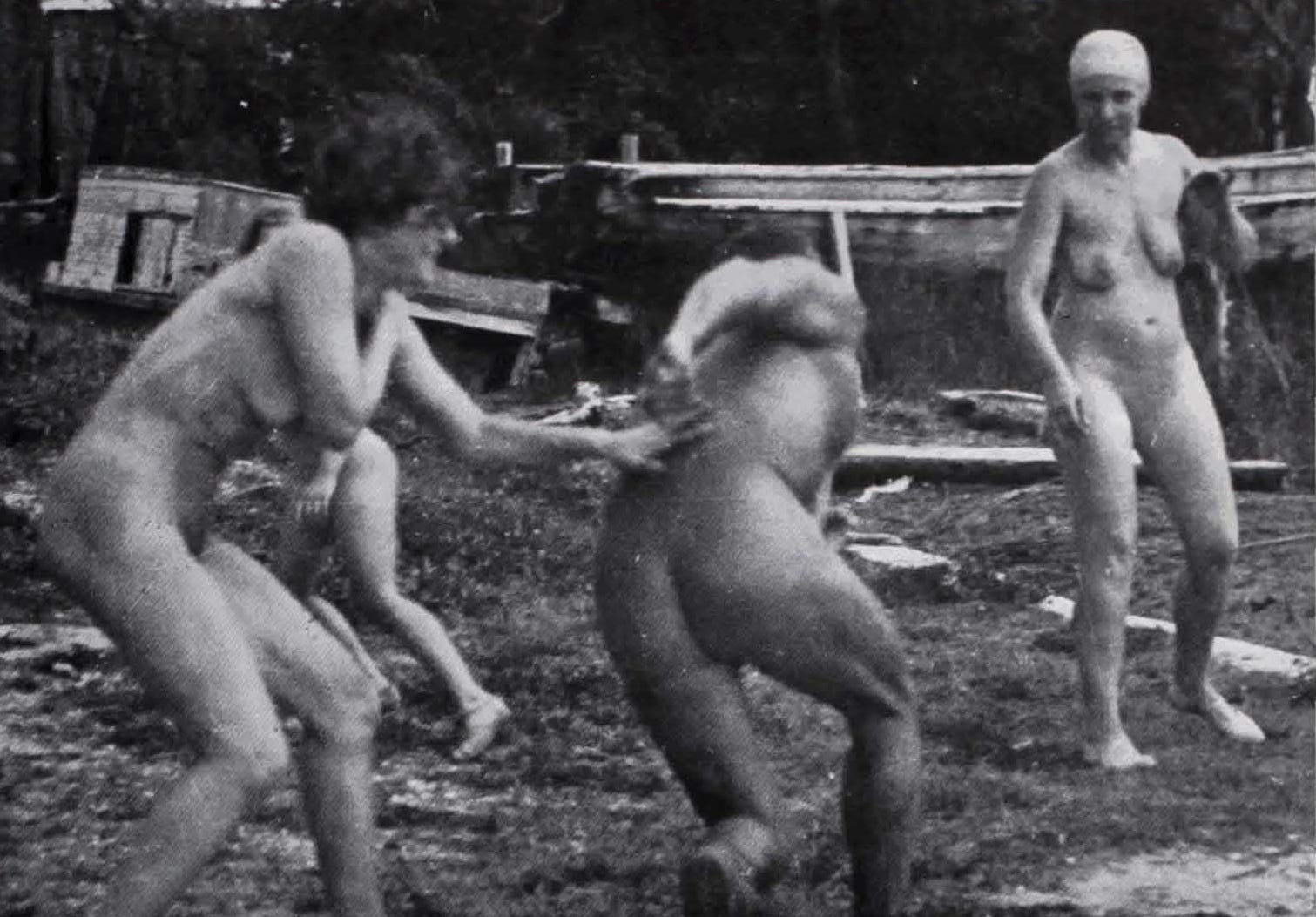
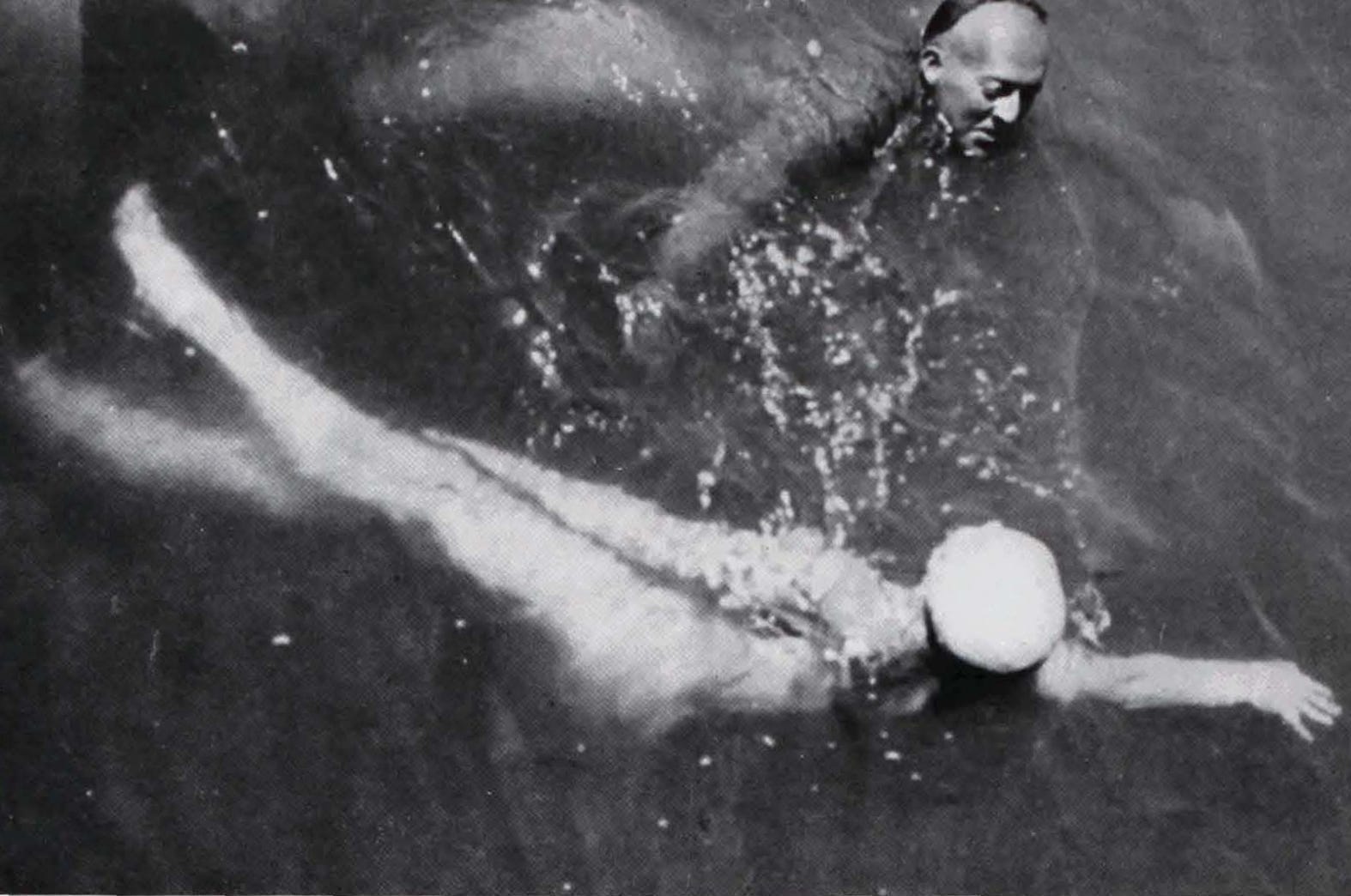
The same visitor remembered sunbathing on a warm December afternoon before a supper of baked yams and cowpeas. John Taylor supplied another glimpse in his February 1935 article “Travels with the I.N.C. Card.” He found eight or nine other guests at Cat Island and spent his visit swimming, sunning, playing deck tennis, fishing, and walking through the woods. Taylor praised the “Livingston family” for caring for everyone in a friendly, informal way. For a traveler moving through hotels and railway sleepers, island life felt refreshing and strange.
The magazine returned to Cat Island’s intellectual lineage in December 1933. Its essay “The Principles of Emerson and Nudism” said that Gilbert Parks had studied Brook Farm, the nineteenth-century Transcendentalist community, and intended Cat Island to continue its tradition. The following month, “At Sea Island Sanctuary” announced plans to grow cabbage, lettuce, romaine, potatoes, and tomatoes for shipment to metropolitan buyers. Letters from unemployed people had also inspired an offer of temporary shelter and two-acre garden plots in exchange for a modest contribution to communal expenses. The writer imagined perhaps a hundred families eventually forming a “semi-cooperative nudist Eden.” A hundred families was an aspiration; no surviving evidence suggests that the population approached that scale.
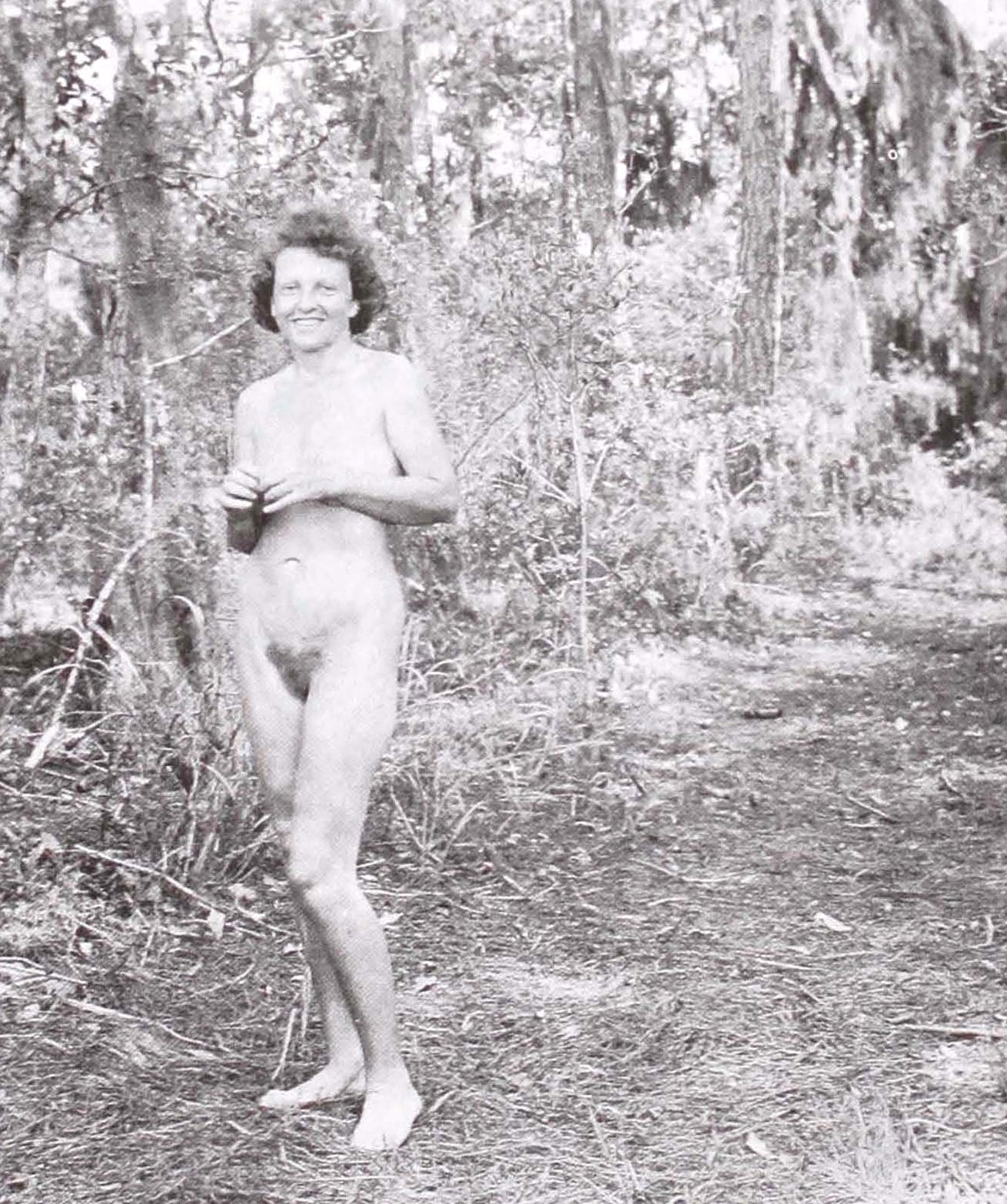
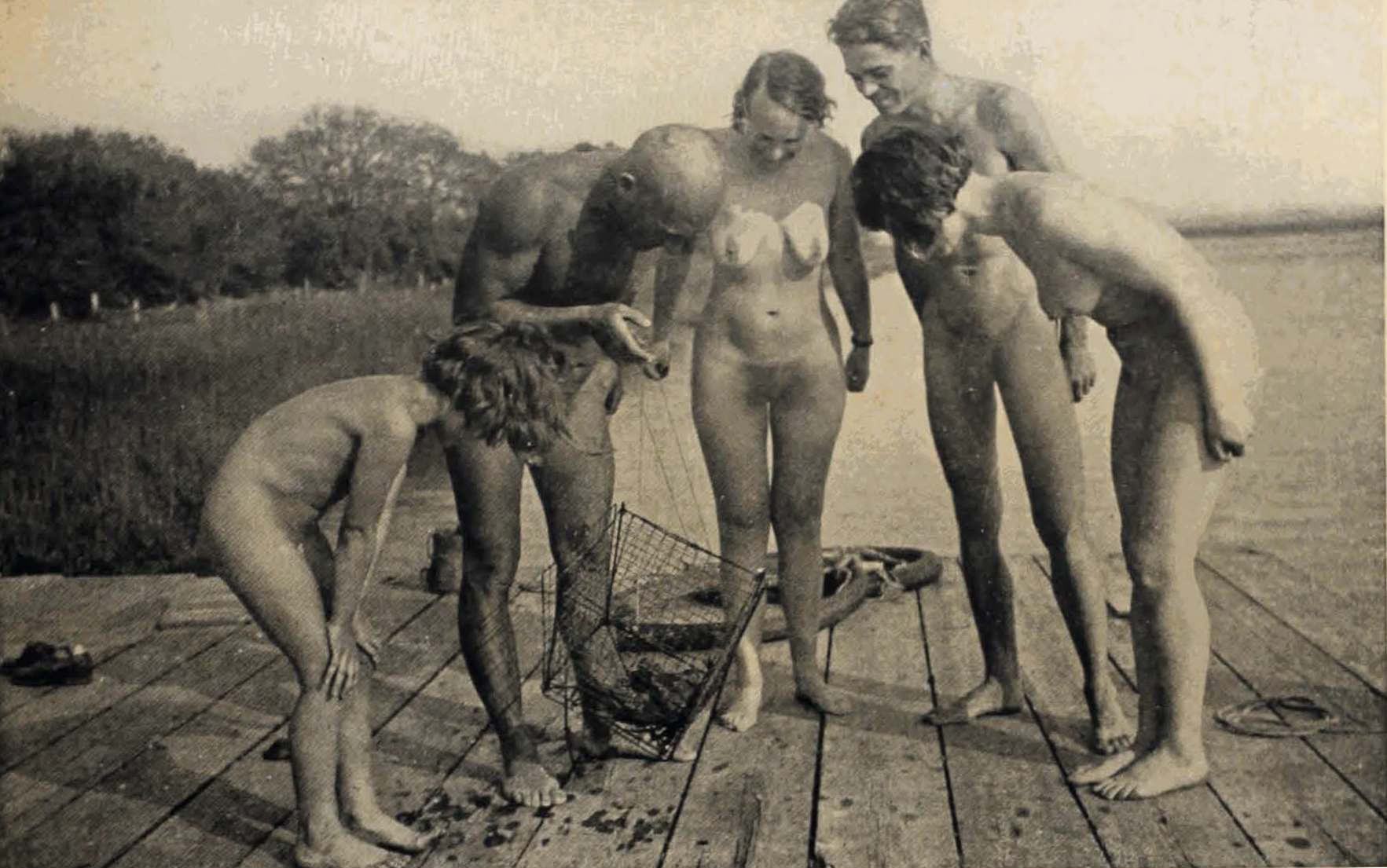
The proposed Eden still belonged to a private owner. In the July 1934 Nudist, editor David Livingston described Sea Island Sanctuary as a proprietary resort and defended that model against the democratic membership club. A locally organized club, he argued, could scarcely take root in a region with so few open nudists. Paying vacationers gave Cat Island another means of survival. His article presented a busy summer resort whose guests ate seafood and garden produce, rowed around the island, swam, and stayed in cabins. The colony, farm, and social experiment was developing a commercial life.
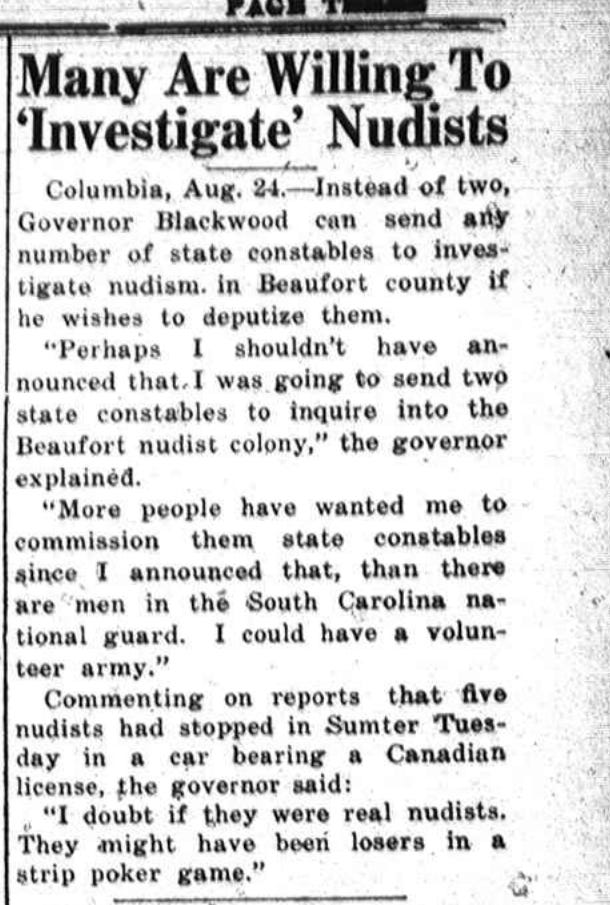
That summer, the colony drew the attention of state authorities. On August 31, 1934, The Camden Chronicle reported that Governor Ibra C. Blackwood planned to send two state constables to inquire into nudism in Beaufort County. A second brief in the same issue said the proposed investigation followed requests from ministers and others around the state. Blackwood joked that so many men had volunteered for the assignment that he could raise an army, according to the paper’s article “Many Are Willing to Investigate Nudists.” The episode turned the colony into a statewide spectacle. Colorful stories accumulated in later retellings; the contemporary coverage securely establishes the announcement and the moral pressure behind it.
In August 1935, The Nudist still listed Cat Island in its directory and offered visitors room and board for fifteen dollars a week. Five months later, the January 1936 issue announced Sea Island Sanctuary’s “final bow.” Cat Island would become Seacroft, a worker-education community led by Dr. William E. Zeuch. Its founders proposed common ownership of productive property, pooled income, and a daily life joining work, study, and recreation. One utopian community had given way to another.
Baxandall’s 1993 history drew in part on participant Lyman F. Barry’s recollection that financial difficulties caused the Sanctuary to fade. The contemporary closing notice gives no reason, so the economic explanation remains a later memory. For several years, Sea Island Sanctuary tested a broad idea: bodily freedom belonged with simpler food, cooperative labor, economic independence, and release from inherited convention. People planted crops, hosted visitors, sold weeks at the resort, endured official scrutiny, and tried to sustain the place. That short, improvised life is the record the island left behind. 🪐