

Brazil’s first naturist beach loses legal protection
Balneário Camboriú bans naturism on all municipal beaches
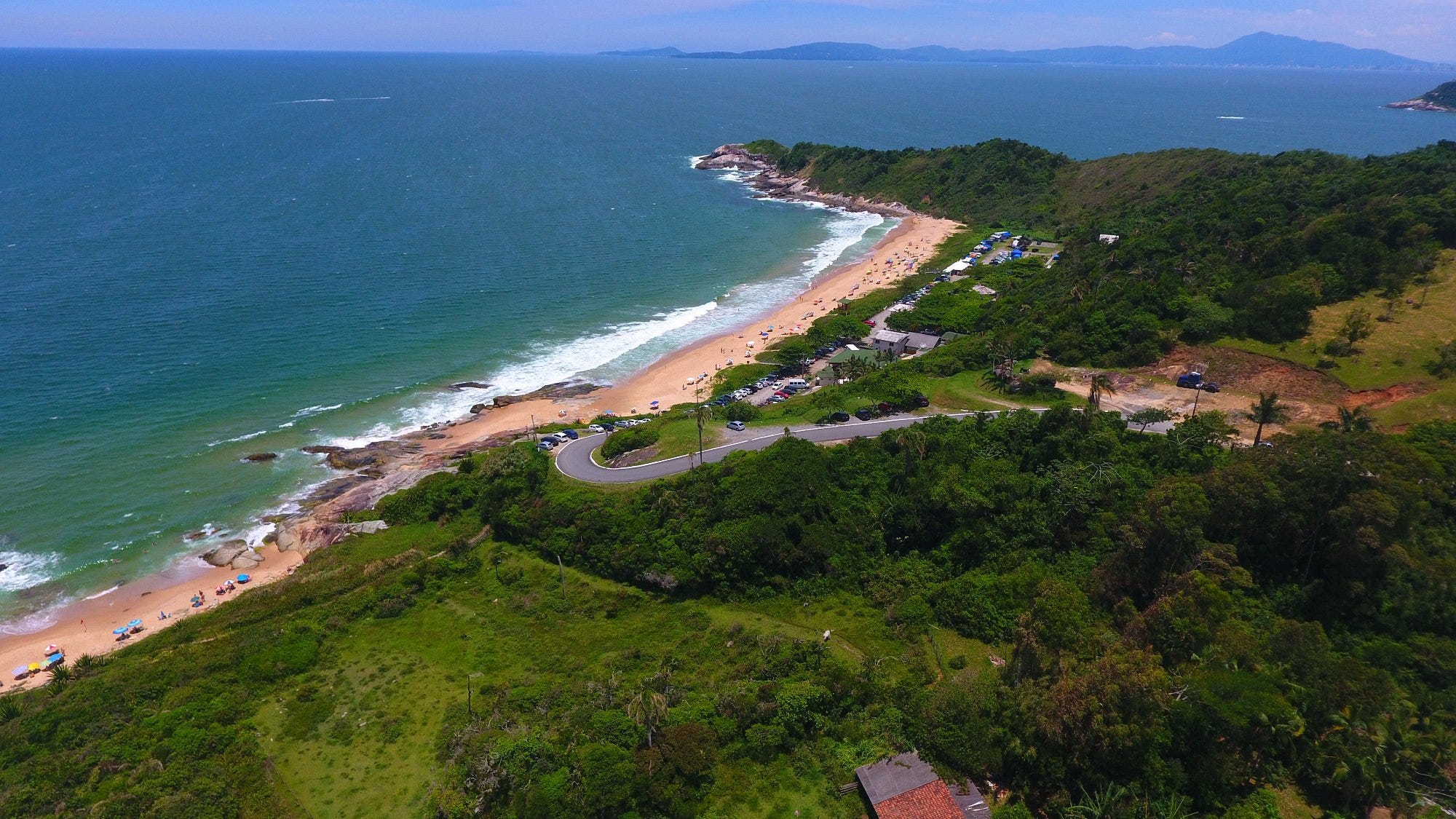
The city of Balneário Camboriú has taken formal action to prohibit nudism and naturism on all of its beaches, ending Praia do Pinho’s decades-long status as Brazil’s first officially recognized naturist beach. The shift follows a series of municipal decisions approved in mid-December by both the City Council and the mayor’s office.
On December 18, the City Council approved Complementary Law 129/2025, amending the city’s master plan and revoking provisions that had allowed naturism at Praia do Pinho. The following day, Mayor Juliana Pavan signed Municipal Decree No. 12.909/2025, which explicitly bans nudism across the entire municipal coastline.
Praia do Pinho, located about 15 kilometers south of the city center, was officially recognized as a naturist beach in 1988 and became a reference point for organized nudism in Brazil. For decades, it operated under conduct rules typical of naturist spaces, including bans on sexual activity, drug use, and unauthorized photography. Under the revised master plan, however, Praia do Pinho is now treated as a standard public beach with unrestricted access. Nudism is no longer permitted, and the area will be governed by the same rules applied elsewhere along Balneário Camboriú’s shoreline.
City officials argue that Praia do Pinho no longer functioned as a naturist space in practice. According to Poder360, the municipal administration concluded that the beach had “lost its original character as a naturist space over the years” and had instead become associated with “illegal acts and sexual crimes,” a situation officials said was also affecting neighboring beaches.1 The decision, the city said, responded to requests from the municipal guard, military police, local residents, and neighborhood associations in the southern part of the city. All quotations translated from Portuguese by Google.
The decision drew an immediate response from the Federação Brasileira de Naturismo (FBrN), which issued a public statement expressing “deep concern and regret” over the end of naturism at Praia do Pinho. In its statement, the federation described the beach as a nationally and internationally recognized landmark and a symbol of “respectful coexistence, responsible freedom, and conscious contact with nature.”2 The FBrN rejected the conflation of naturism with criminal behavior, arguing that illegal acts should be addressed through investigation and enforcement rather than by eliminating a legitimate, regulated practice. The organization characterized the decision as a historical, cultural, and social loss for Brazilian naturism.
The change has also drawn national attention in part because of Praia do Pinho’s symbolic status. As O Antagonista notes, the beach was widely featured in national and international naturist guides during the 1990s and 2000s and played a formative role in Brazil’s organized naturism scene.3
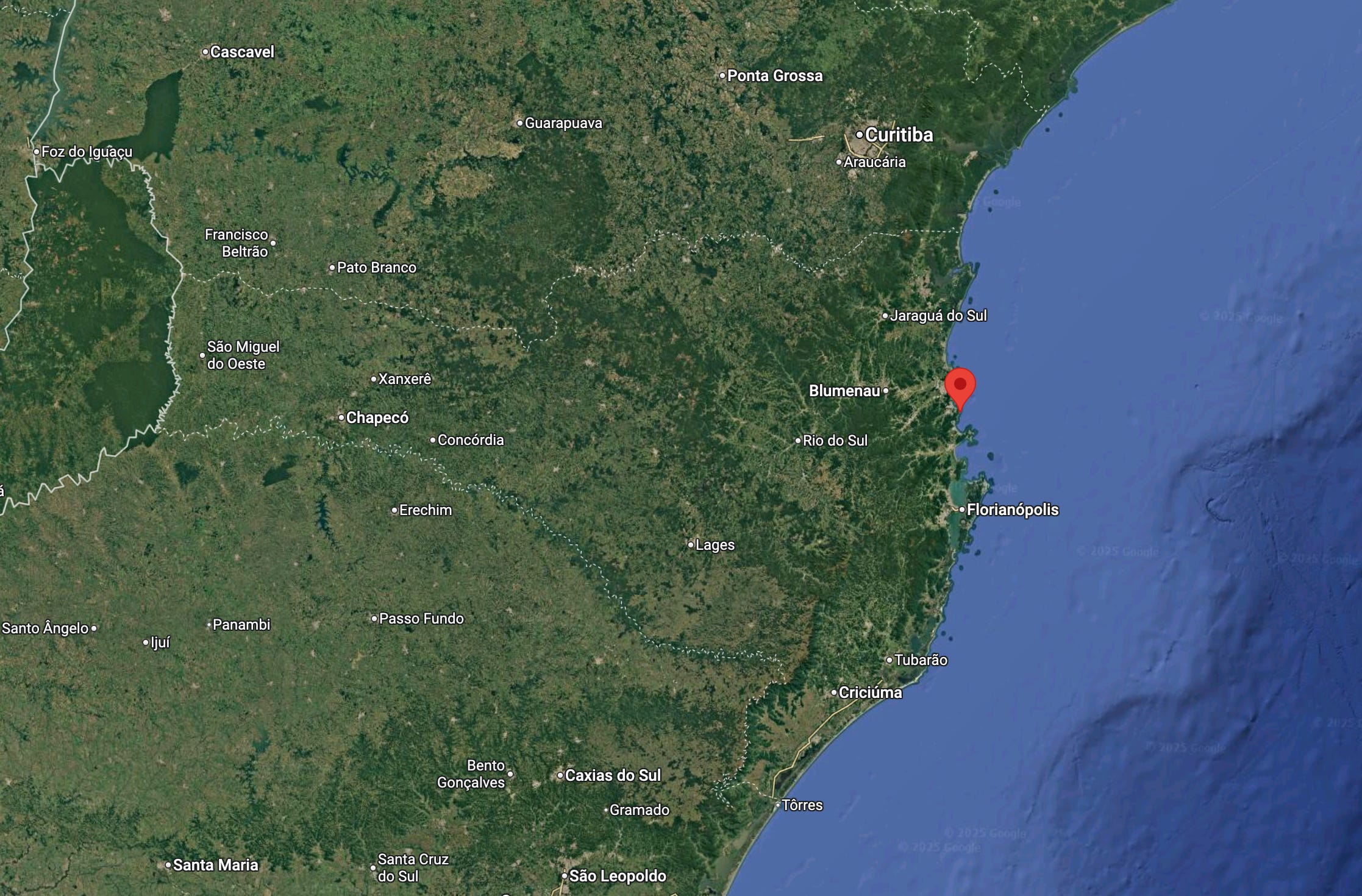
The timing of the ban is also notable within Santa Catarina, the southern Brazilian state that includes both Balneário Camboriú and Florianópolis, where local authorities recently moved to re-allow and reaffirm naturist use at Praia da Galheta after a period of restriction and legal uncertainty, as we reported earlier this month on Planet Nude. Balneário Camboriú sits roughly 80 kilometers north of Florianópolis, only about 90 minutes away by car. The two cities are not administratively linked, and there is no evidence of coordinated policy-making. Still, their near-simultaneous decisions seem to highlight a moment of reassessment for nude beaches along the state’s coastline.
For naturists around the world, however, the Balneário Camboriú decision might seem emblematic of a familiar pattern. When authorities conflate nonsexual nudity with unrelated illegal behavior, nudity itself often becomes the easiest thing to ban. Whether that approach addresses the problems cited by officials, or simply displaces them, remains an open question, but in the meantime residents and visitors to the city will enjoy one fewer freedom than they’ve been used to for the last four decades. 🪐
More reading:
Poder360. (2025, December 20). Balneário Camboriú proíbe nudismo em todas as praias da cidade. https://www.poder360.com.br/poder-brasil/balneario-camboriu-proibe-nudismo-em-todas-as-praias-da-cidade/
CNN Brasil. (2025, December 18). Praia de naturismo proíbe nudismo em Balneário Camboriú. https://www.cnnbrasil.com.br/nacional/sul/sc/praia-de-naturismo-proibe-nudismo-em-balneario-camboriu/
TNOnline. (2025, December 18). Primeira praia naturista do Brasil tem nudismo proibido em SC. https://tnonline.uol.com.br/noticias/cotidiano/primeira-praia-naturista-do-brasil-tem-nudismo-proibido-em-sc-1050542
O Antagonista. (2025, December 18). Primeira praia de nudismo do Brasil proíbe nudez. https://oantagonista.com.br/brasil/primeira-praia-de-nudismo-do-brasil-proibe-nudez/