The strange, true life of Willie Willey
A forgotten folk hero whose bare-bones philosophy challenged America’s indecency laws
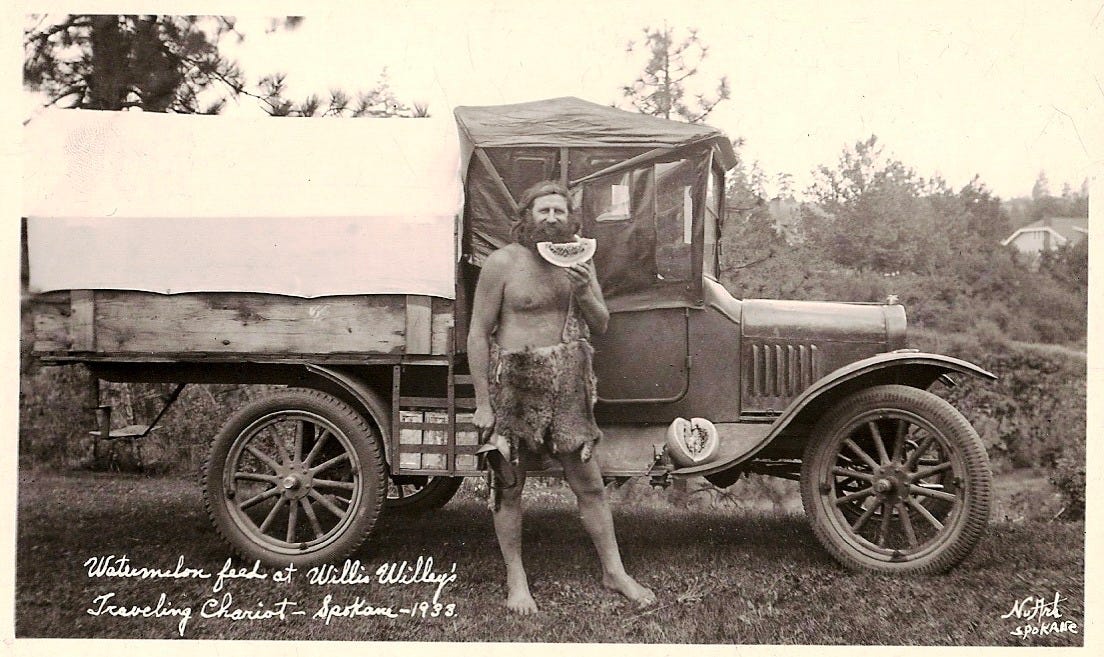
If there is a record for the person arrested the most and in the most places for dressing indecently, it might possibly name “Nature Boy, ” Willis (Willie) Ray Willey. Usually, he wore a pair of old Khaki shorts or, in 1933, a wrap made out of a mountain lion hide. From 1918 until his death in 1956, he never wore a shirt, and it was not until he was laid in “state” in Spokane during his funeral that a T-shirt was finally put on his upper torso. In 1951 he was quoted as saying, “I have not worn a pair of shoes or clothing, other than these shorts, since 1918 – too much trouble and bother. Besides, clothes ain’t healthful.”
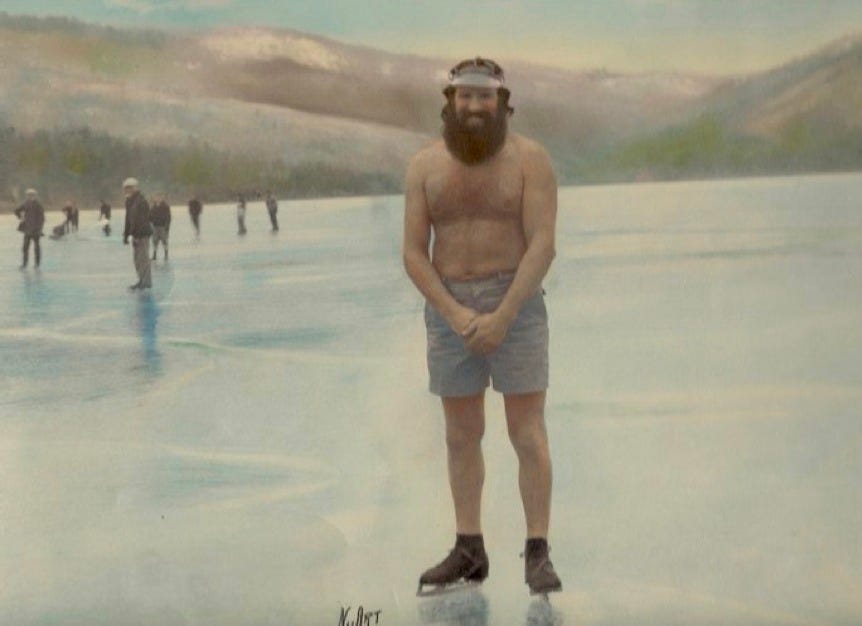
Although called the first American nudist and a naturist by some, quite typically, he wore only shorts and, occasionally, in the winter, rubber boots. He was also famous for his polar bear plunges in the Spokane winters, which, of course, were naked.
He was born in 1884 in Mount Ayr, Iowa, along with his twin brother, Willard Roy Willey, and quite a few siblings. Somewhat of a sickly child who reported to have never liked to wear clothing, he headed west to Spokane, where he tried his hand at farming. As a young man, he was told that he would feel better if he wore less clothing. He gradually worked himself down to nearly nothing, grew a beard, and from that point onward, except for one instance, he was illness-free. More on that later.

In 1921, he travelled back to Iowa after his mother died, and while he was gone, he lost his forty acres due to conflicting reports. During the decade, he was frequently thrown in jail for trespassing on his former land. He spent much effort creating his lore. He was an expert at self-promotion.
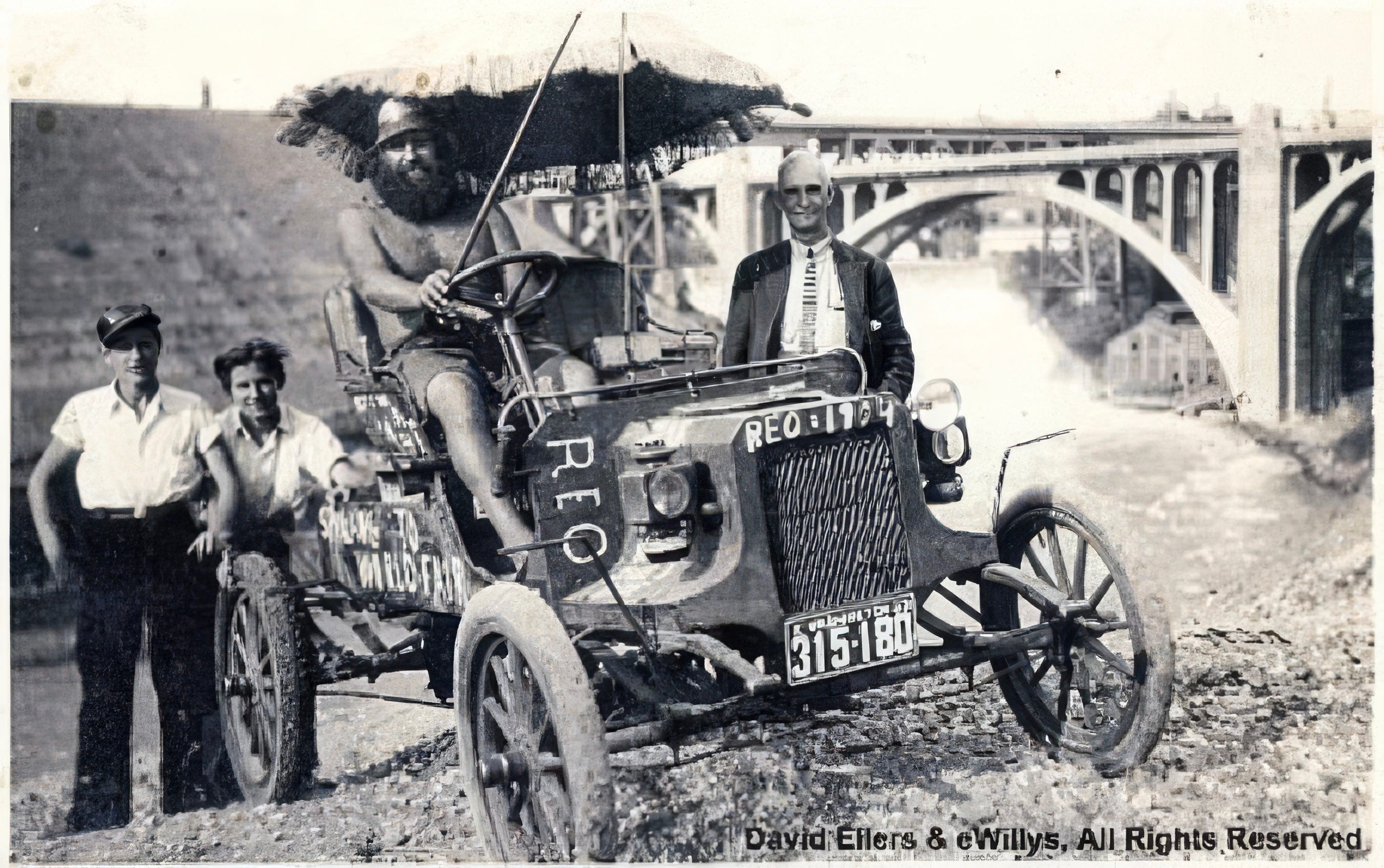
In 1933, he made a new pair of trousers out of a cougar pelt and decided to get out of Spokane for a time and travel across the country to the World’s Fair in Chicago and took off in his 1904 Reo automobile. His plan was to sell photographs of himself along the way and at the fair to pay for his trip. He stopped in Portland and was arrested for indecency. He was the first person convicted of wearing nothing but suntan shorts. Like Portland, Willey was not met with open arms in many of the cities he visited, and usually he was arrested for “indecent behavior” and thrown in jail and later driven to the city limits and told to leave. Once reaching Chicago, he spent quite a bit of time in jail, barely even attending the Exposition, despite there being a nudist wedding and a nudist exposition also there. Because of his arrest, he was forced to cut his beard. He got ill while he was in jail.
After being released, Willey headed on to Iowa to visit family and hopefully escape further persecution and ill health.
Usually upon first visiting a town his presence would bring excited reports to police of “a crazy man walking around naked in the snow.” The police would then respond appropriately. In Portland, he was arrested for trying to convince a young woman to disrobe, or at least that she would be healthier if she wore less clothing. The police believed her story.
He converted an old Model T into a traveling home and filled it with all sorts of animals and traveled around the country, earning nicknames like the “Original Flower Child” and an “Early-Day Hippie,” spreading his philosophy and way of life long before Woodstock. After his untimely death, Willie was referred to as “Spokane’s Ambassador of Good Will.” He talked potential people of potential suicide off the Spokane bridge, and he would appear out of nowhere and lift people’s cars up so they could change flat tires. Kids were always playing with his menagerie of animals.
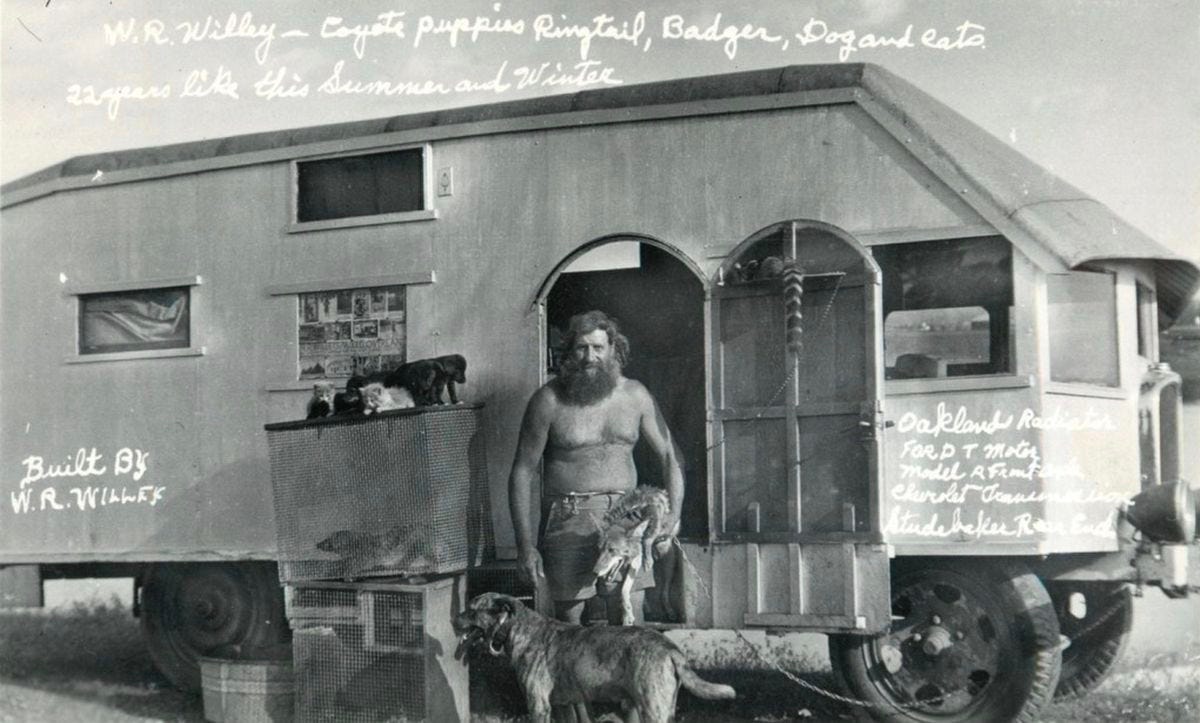
Dr. Arthur E. Lein, head of the Spokane County Health Department, says Willie’s skin has become leathery and board tough. “Thirty-two years of rugged living has developed a layer of ‘insulation fat’ which increases weather tolerance.”
Willie died in 1956 at the age of 72 from an automobile accident, still in top shape. He outlived his twin by 23 years, again proving that his lifestyle was superior. I find it odd that not a single mention of Willey was made in any nudist magazines of the era. Where he had demonstrated for decades the benefits of living with little clothing on, and his health was widely noted, they all missed a golden opportunity. Likewise, none of the early naturopathic and later naturist promoters mentioned him, probably because his method of living simply gave them nothing to sell. One man described him, “anything that grew out of the ground, he could make food out of it, the guy had no sin in him.”
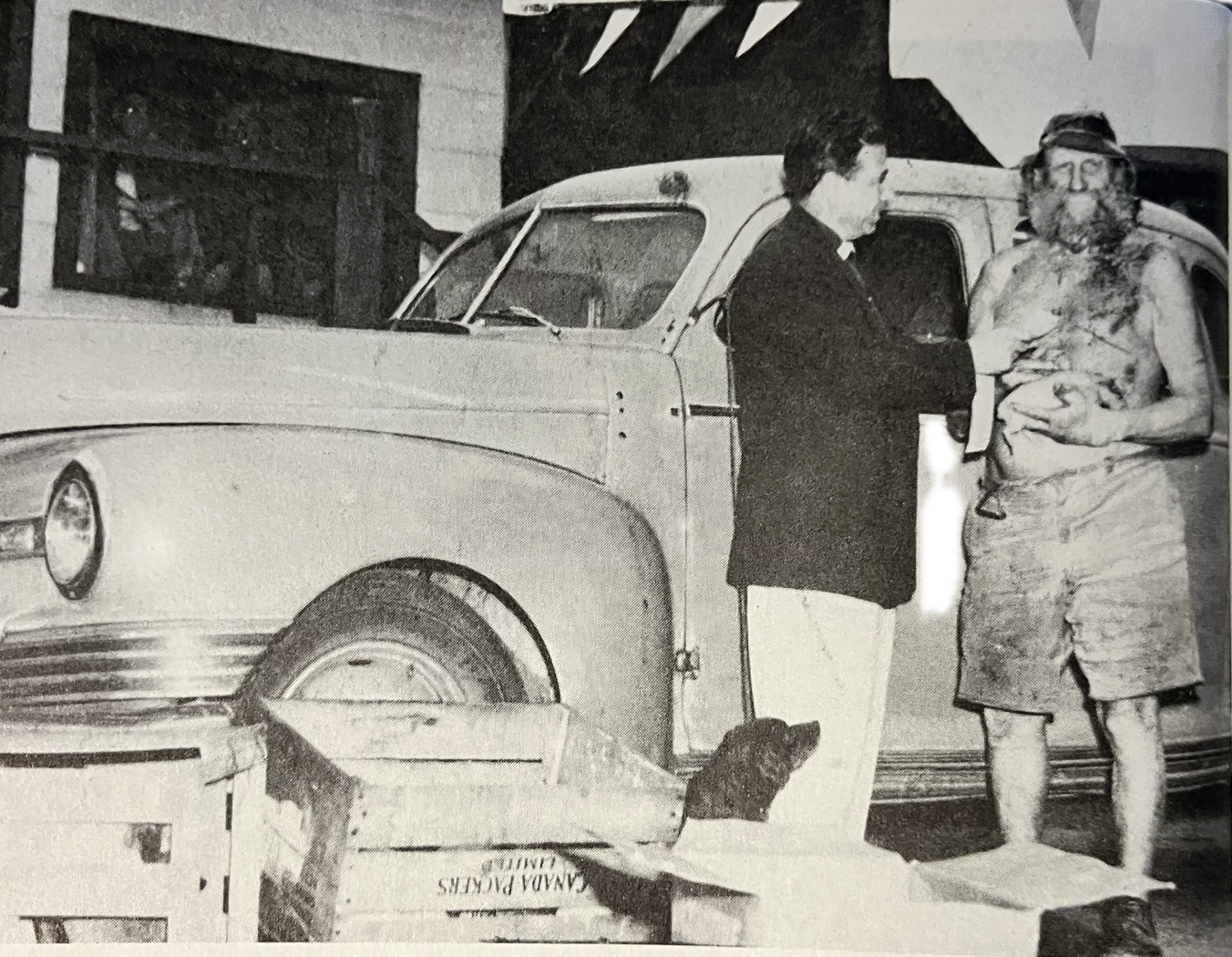
There was a book written about Willie, entitled “The Life of Willie Wiley,” by Keith L. Yates in 1966, ten years after Willie died. It is an interesting read. Where a few nudists in the Thirties were arrested for being naked in private, Willie was arrested for being “indecent” in public by wearing only short pants. It was more for his efforts than the traditional nudists to get reform for many of the nation’s crazy indecency laws of the period. After paying for his burial in 1956, the City of Spokane, in 1991, dedicated a rock in the local river to him. That seems like an odd tribute to a man who appears like few others. 🪐