

What Lee made possible
As TNSF prepares to close, I’m thinking about how Lee Baxandall brought people into naturism, and what we can learn from his example
I was sad to report last week that The Naturist Society Foundation will close at the end of this year. I’ve been a member and supporter for a long time, and I feel for the people who have poured so much of themselves into keeping it going. Some of the resulting (and still-to-come) discussion about what went wrong has been and will be useful; some will be unfair. I’ve been thinking instead about what we are losing, and about Lee Baxandall. His sense of what naturism could become still has a great deal to teach us.
Lee founded The Naturist Society in 1980 after spending years around a movement scattered across beaches and local groups. People were defending the places where they went nude and discovering that their supposed eccentricity was shared by more people than they knew. Lee saw what might happen if they could find one another. He brought a publisher’s instincts to the work, along with the sort of curiosity of someone whose life had already passed through theater, art criticism, and political activism, as his indeed had.
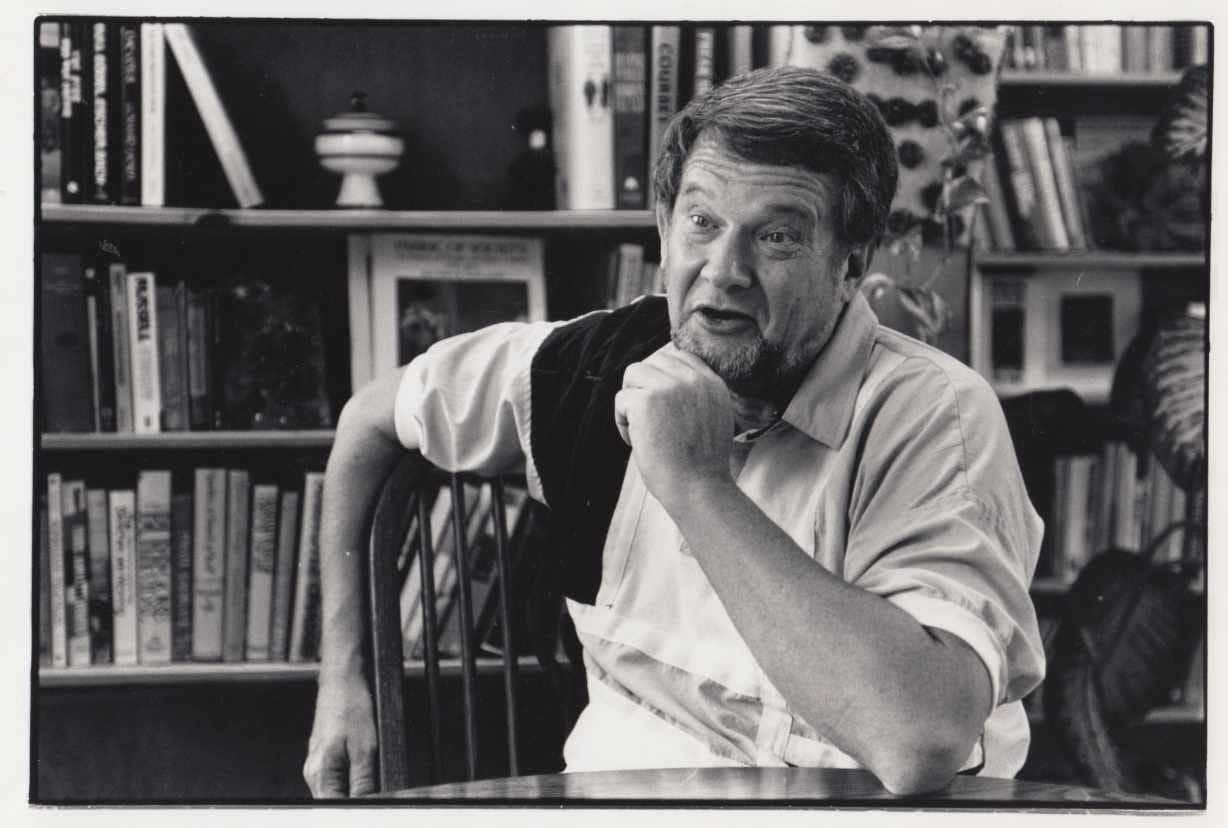
The first issue of Clothed With the Sun, published in June 1981, placed the magazine beside Lee’s already successful World Guide to Nude Beaches and a directory of local contact groups. Suddenly, in the 80s, a reader looking for a nude beach could find people nearby who enjoyed it too. For many, these publications were an entrance into something already happening in the world that they never had access to before.
Lee’s guidebooks reached ordinary bookstores and put nude recreation before people far beyond the membership. Someone who thought they were alone in wanting to swim without a suit could discover an organized community. Someone facing a threat to a local beach could learn how people elsewhere had responded. The information was important and helped, because it moved between people who could use it, and Lee kept building routes for that movement, making connections, mentoring, and encouraging young people around the country to become activists for nude rights and civil liberties.
The gatherings brought the network into physical space. An account in the August 1982 issue describes more than 300 people meeting with artists, gay groups, families, and organizers in the mix. Beach campaigns shared the schedule with photography, spirituality, and recreation. Lee’s broad interests helped make room for people who might not have arrived through politics, but who could leave knowing someone involved in the fight for public access.
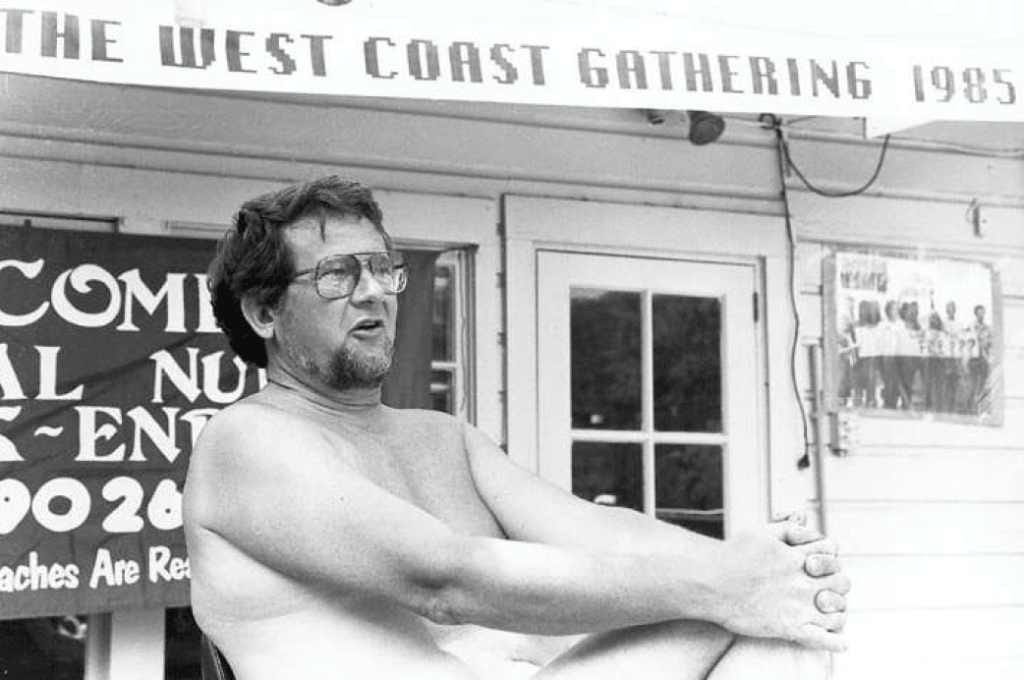
That combination still appeals to me. Naturism can be a wonderfully uncomplicated afternoon, but taking off our clothes does not switch off our curiosity about the rest of the world. Lee gave that curiosity somewhere to go, and the magazine treated the unclothed body as an intellectual entry point into the subject of culture. Importantly, the gatherings left plenty of room for play. Ideas and enjoyment did not have to compete for space.
His support for gay naturists shows how practical this could be. Lee recognized the work gay people were already doing in the free beach movement and encouraged Murray Kaufman to organize a gay and lesbian special-interest group within TNS. He supplied a list of 30 contacts and $75 in start-up money, enough to help produce the group’s first newsletter in 1984. It eventually became the independent Gay Naturists International, a thriving national organization that has now outlived its predecessor.
Seventy-five dollars sounds almost comically small now. The important part was Lee’s willingness to use what he had to help someone else begin. Thirty names could become a community once someone made the introductions. He backed people who were often unwelcome elsewhere in organized nudism, and the organization they built acquired a life of its own.
I don’t want to make Lee flawless, or pretend his era escaped the problems we face now. What interests me is the movement between reading and participation, and how people found one another, then found the confidence to organize something themselves. TNS made that movement possible for decades.
Its closure deserves more care than a quick verdict about decline. TNSF lasted long beyond Lee’s direct leadership because other people carried the work. Nicky Hoffman and her colleagues spent years sustaining a publication and a network that mattered to people. We can value that commitment and still ask why it became harder to reach new audiences or maintain a shared purpose. The answer should not be a judgment on everyone who tried to keep the institution alive.
Planet Nude and FUNN sometimes puts me at the same junction between publishing and organizing. An article can introduce people to an idea or to one another; the harder work begins after they have read it. Lee seemed to understand that relationship instinctively. His example makes me look more closely at whether the things I work on give readers a way to participate, and at who still cannot find a way in.
We have tools Lee could scarcely have imagined while assembling mailing lists in Oshkosh. An article can cross the world in seconds, carrying naturist ideas beyond people who already agree with us. The relationships that hold a community together still take slower work. Someone has to organize the gathering, welcome the unfamiliar person, and deal with the problem everybody hopes somebody else will handle. A lively media conversation can exist while too few people are available for those jobs.
A magazine once gave many of those readers a common meeting place. Today, people encounter naturism across websites, feeds, chats, and newsletters, often without ever meeting one another or joining an organization. Keeping a single publication alive cannot, by itself, reconnect that dispersed audience. As shared institutions weaken, we have to find ways to hold attention, earn trust, and turn interest into membership and work that lasts. More channels do not automatically make a movement. How do we organize across them? Lee’s example gives us something to work with, but none of us inherited a ready answer to a change that has unsettled media and organizing far beyond naturism.
An organizing manual published in Clothed With the Sun in 1982 offers a useful principle. A group, it said, must become strong enough to continue independently of its founders. The difficulty of keeping an organization alive was present at the beginning, not discovered at the end. Carrying the work forward means letting more people learn it and share responsibility for it; gratitude for the people who have always done it cannot substitute for that.
TNSF’s closure leaves a loss that another website or event cannot simply replace. An organization accumulates relationships, habits, and experience over years. I hope we acknowledge what its staff, volunteers, contributors, and members sustained. I also hope we remember how often Lee’s work opened outward. He helped people find one another, then gave them something to do together. Someone discovering naturism today should be able to move from reading about it to taking part. 🪐